Commercial solar project planning is a critical first step for property owners considering long-term energy investments. Unlike residential installations, commercial solar systems involve larger electrical loads, complex permitting requirements, and long operational lifecycles that demand thoughtful preparation.
A well-planned solar project reduces risk, improves system performance, and ensures alignment with financial, operational, and sustainability goals.
Understanding Site Feasibility and System Design
Effective commercial solar project planning begins with a comprehensive site evaluation. This includes assessing roof or ground conditions, available space, electrical infrastructure, and long-term building use.
Structural integrity, shading analysis, and load capacity all play a role in determining system size and layout. Early feasibility analysis helps prevent costly redesigns later in the process.
Permitting, Interconnection, and Regulatory Considerations
Commercial solar projects must comply with local building codes, zoning requirements, and utility interconnection standards.
Navigating these requirements requires experience and coordination with municipalities and utility providers. Delays in permitting or interconnection can impact project timelines, making early planning essential.
According to the National Renewable Energy Laboratory, proactive interconnection planning significantly reduces project delays for commercial systems.
Financial and Operational Planning
Commercial solar project planning should also account for long-term financial performance. Property owners must evaluate system ownership models, operational responsibilities, and projected energy savings over time.
Solar is not just a construction project—it is a long-term energy asset. Proper planning ensures the system delivers consistent value throughout its lifecycle.
Construction Coordination and Installation Readiness
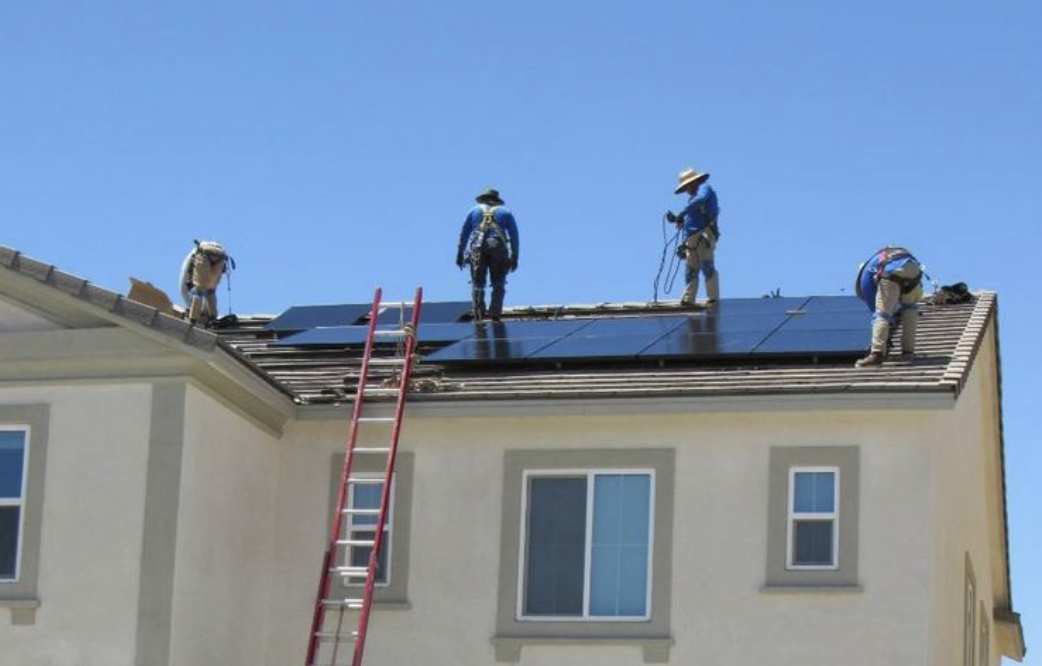
Commercial installations often occur alongside active business operations. Planning installation logistics, safety protocols, and construction sequencing minimizes disruption to tenants, staff, and customers.
Experienced solar providers coordinate closely with property managers and facilities teams to ensure installations proceed efficiently and safely.
Why Experienced Commercial Planning Matters
Commercial solar project planning requires expertise beyond basic system installation. It demands coordination across engineering, construction, utilities, and operations.
Working with a provider experienced in commercial solar ensures that systems are designed to perform reliably, meet regulatory requirements, and support long-term operational needs.
👉 Explore Sea Bright Solar’s commercial solar solutions.
Planning for Long-Term Performance
A successful solar project does not end at installation. Performance monitoring, maintenance planning, and future scalability should all be considered during the planning phase.
Commercial solar systems designed with long-term operations in mind provide greater reliability and sustained financial benefits.
Organizations planning for long-term energy performance benefit from working with a solar partner focused on the full system lifecycle. Sea Bright Solar designs commercial solar solutions with durability, operational continuity, and future needs in mind.