Don’t Let Storm Season Paralysis Spook Your Operations: Building Microgrids for Critical Continuity
When severe autumn weather strikes, power outages can paralyze commercial operations in a matter of seconds. For data centers, cold storage facilities, manufacturing plants, and healthcare campuses, grid failure means more than just dark rooms—it results in catastrophic financial losses, spoiled inventory, and compromised safety.
Relying solely on aging diesel generators for emergency power introduces serious risks, from sudden mechanical failure during start-up to strict local emissions limits and costly fuel delivery logistics. To maintain total operational resilience during October storm threats, forward-thinking enterprise leaders are investing in commercial solar microgrids engineered by Sea Bright Solar.
By combining on-site solar generation, high-capacity commercial battery storage, smart energy management software, and optional backup generation, a microgrid creates a self-sustaining power island that keeps your critical infrastructure online no matter what happens to the municipal grid.
The Operational Vulnerability of Standard Grid Reliance
Traditional commercial properties operate in lockstep with the centralized electric grid. When the main transmission line drops due to high winds, utility equipment damage, or autumn surge demands, grid-tied facilities automatically lose power.
Even properties equipped with standard commercial solar panel arrays face immediate shutdowns during grid failures. Grid-tied inverters are mandated by electrical codes to disconnect automatically during blackouts to protect utility line workers from backfed electricity.
Deploying commercial solar microgrids solves this fundamental operational weakness. An intelligent islanding switch automatically isolates your property’s electrical distribution network from the main utility grid the moment voltage drops. Within milliseconds, your facility switches to localized microgrid power without interrupting ongoing operations.
Islanding Technology: How Microgrids Secure Critical Facilities
A modern microgrid operates as an autonomous local power ecosystem. During an extended blackout, the system coordinates multiple energy assets in real time to ensure uninterrupted uptime:
- Automated Isolation: High-speed transfer switches isolate your facility from grid instability without tripping sensitive machinery or server racks.
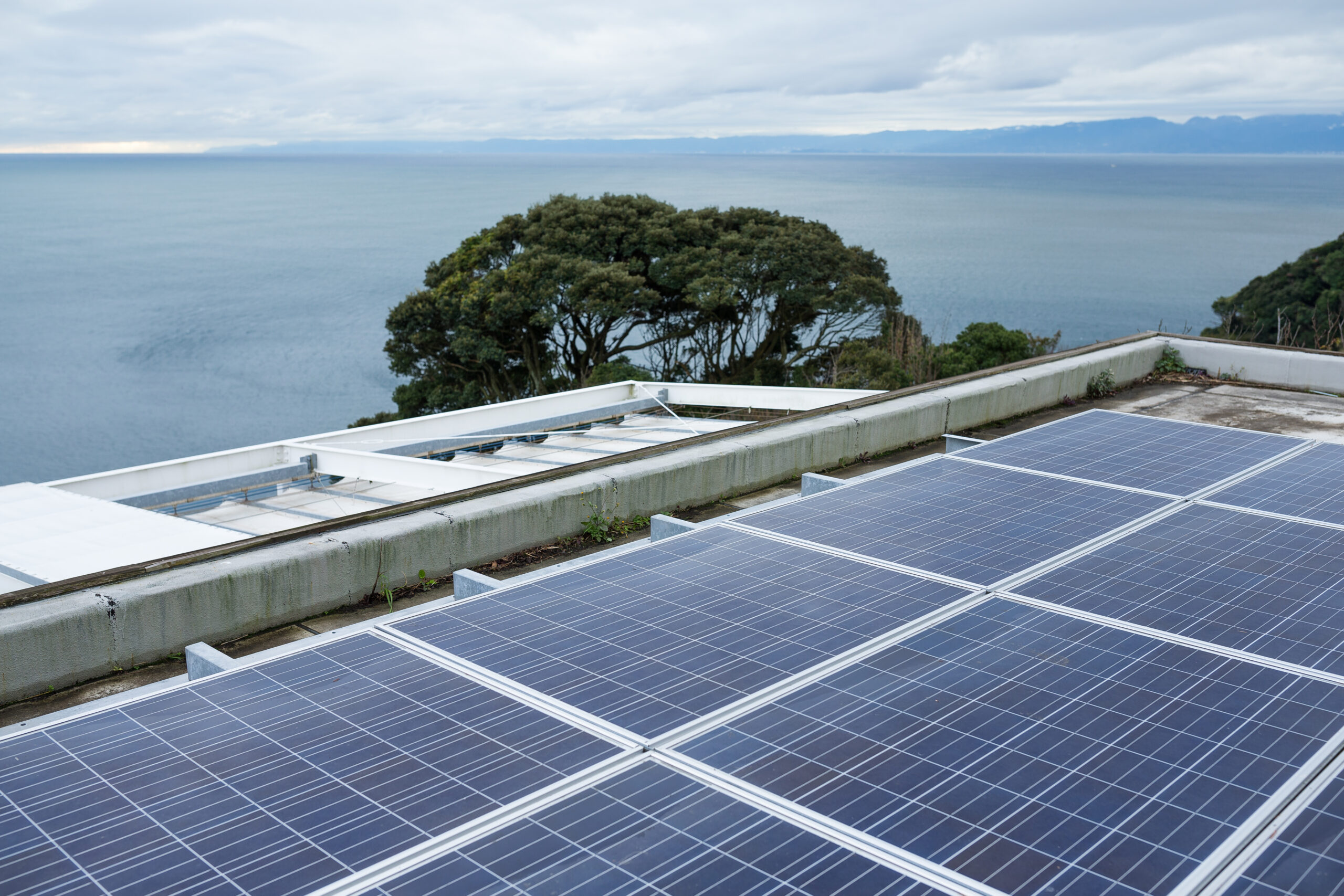
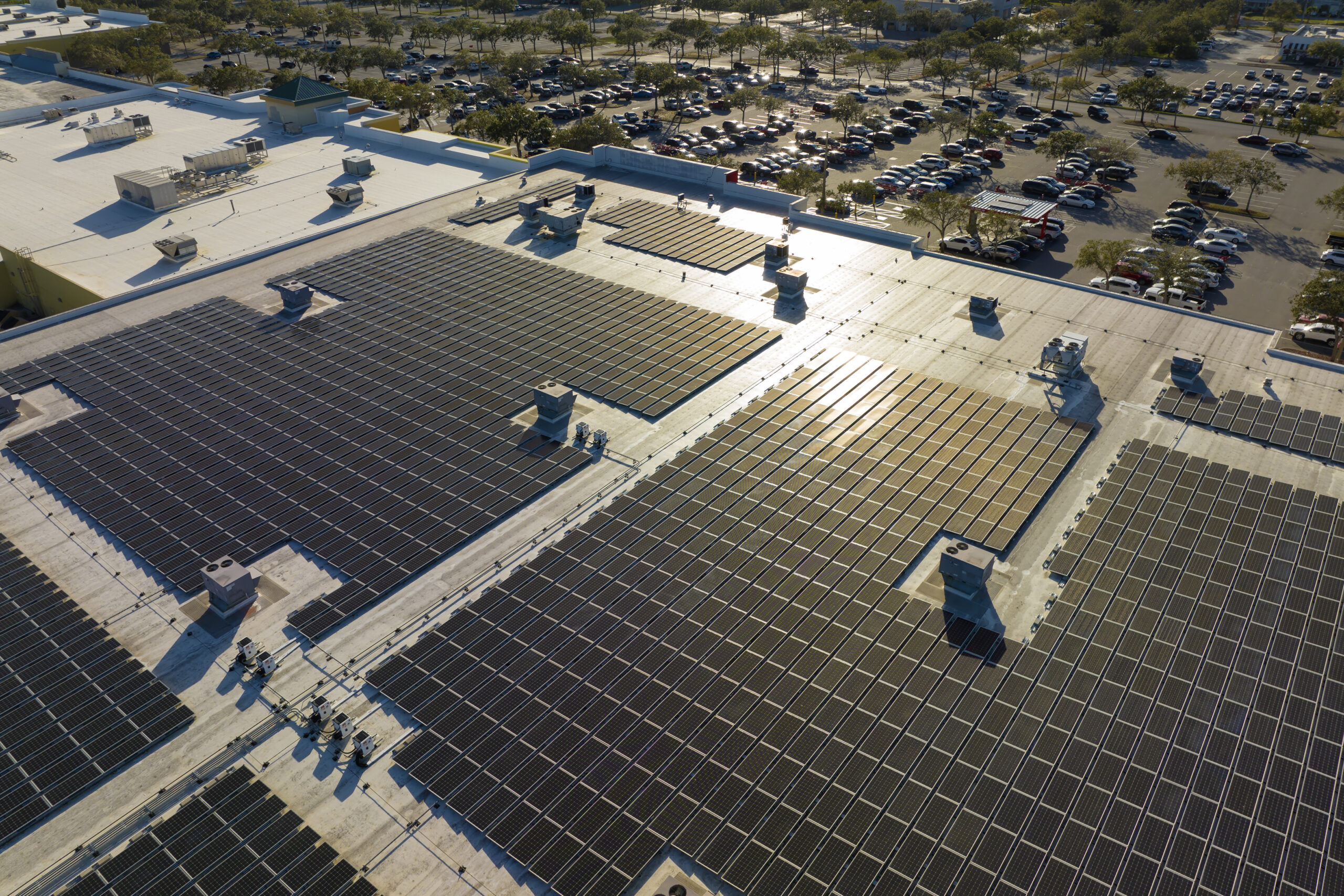
- Solar Harvesting During Outages: Unlike standard solar setups, microgrid controls allow rooftop and carport solar panels to keep producing clean electricity while isolated from the grid.
- Intelligent Load Prioritization: Smart energy management software directs power to your most vital operational assets—such as refrigeration units, life safety systems, and server networks—while shedding non-essential loads to extend battery runtime.
- Continuous Recharging: On-site commercial battery storage systems absorb excess daytime solar generation, providing steady power through the night until the sun rises again.
By integrating these components into a unified energy strategy, sea bright solar microgrids deliver robust business outage protection that keeps your company operational while competitors are forced to close their doors.
Year-Round Financial Perks Beyond Emergency Power
While outage resilience is a primary driver for microgrid adoption, the financial returns extend far beyond emergency backup situations. Operating commercial battery storage inside a microgrid architecture provides daily financial benefits through automated utility bill management:
Demand Charge Reduction
Utility companies assess heavy monthly demand charges based on a commercial property’s peak electrical usage window. Microgrid energy storage automatically discharges stored power during peak consumption spikes, lowering overall peak demand metrics and reducing monthly utility bills.
Time-of-Use Arbitrage
Energy costs fluctuate depending on the time of day. Microgrid management systems charge on-site battery banks when utility rates are low or solar production is high, then discharge that power during expensive peak utility rate windows, driving down daily operational expenses.
Earned Revenue via Grid Support
In many regions, microgrid operators can participate in utility demand response programs. By reducing grid strain or supplying excess stored power back to the regional grid during critical demand windows, your facility earns valuable recurring financial incentives.
This dual functionality converts an emergency resilience investment into an active, year-round asset that drives strong operational return on investment.
Securing Critical Load Energy Resilience for Your Facility
Securing critical load energy resilience requires careful engineering, detailed energy auditing, and seamless installation. Sea Bright Solar brings over two decades of technical expertise in custom commercial solar design, energy storage integration, and microgrid installation.
Our engineering team analyzes your facility’s historic energy usage patterns, identifies critical operational circuits, and crafts a resilient microgrid architecture tailored precisely to your continuity requirements.
Don’t let seasonal storms or power grid failures threaten your business operations this fall. Visit seabrightsolar.com today to schedule a comprehensive commercial energy audit and microgrid consultation with Sea Bright Solar.